Field Crews
Installation Time!
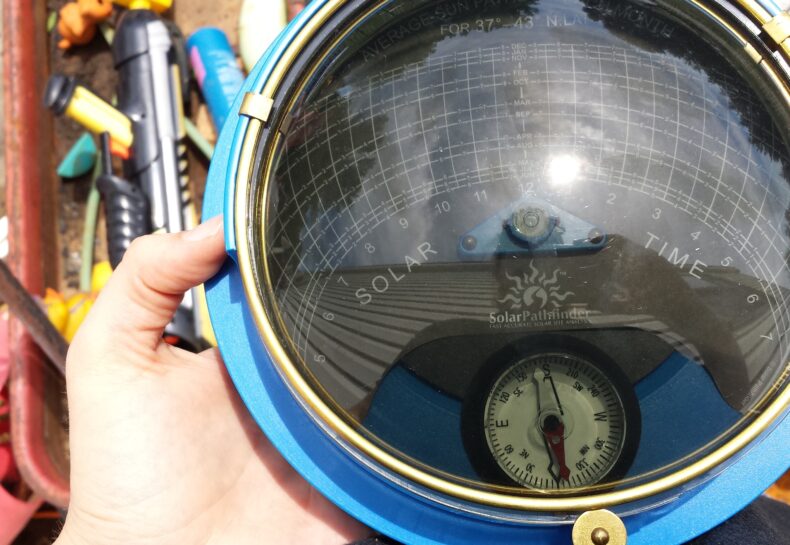
For the better part of my service term I worked on facilitating two solar furnace installations through my host organization, HACAP. I have sifted through their weatherization clients, completed outreach through energy conservation classes for those receiving energy assistance, and identified three homes for a system! With some luck, my team should be mounting solar panels on walls by early November. This is what I have been waiting for! Read More
So other oaks may live
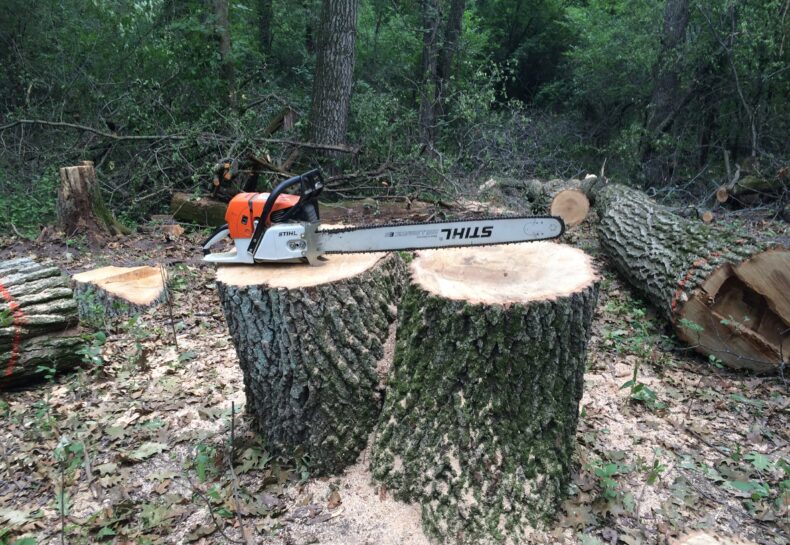
Most people these days have heard of Dutch elm disease or of the emerald ash borer infecting and killing numerous elm and ash trees. These trees are not alone; oak trees have their own disease to which they are all susceptible simply called “oak wilt.” Oak wilt is a very aggressive fungal disease that can kill an oak within two or three months of infection. It can be spread by beetles that carry the fungus to the wounds of healthy trees or, most commonly, through root grafts. Read More
A 28,000 word essay, of sorts
If a picture is really worth a thousand words, then I hope you’re ready to read a novel. (Actually it would be a novella, a novel requires over 40,000 words). But don’t worry, after a couple more short sentences you won’t have to read another single word.I’ve always tried to make a point of stopping to smell the flowers, hear the sounds, and see the sights when in nature. I haven’t figured out how to share the sounds and scents yet, but have a gander at the things my eyes have gravitated towards over the course of the summer months of this Conservation Corps term. I like flowers. Read More
Duck banding at 6 a.m.
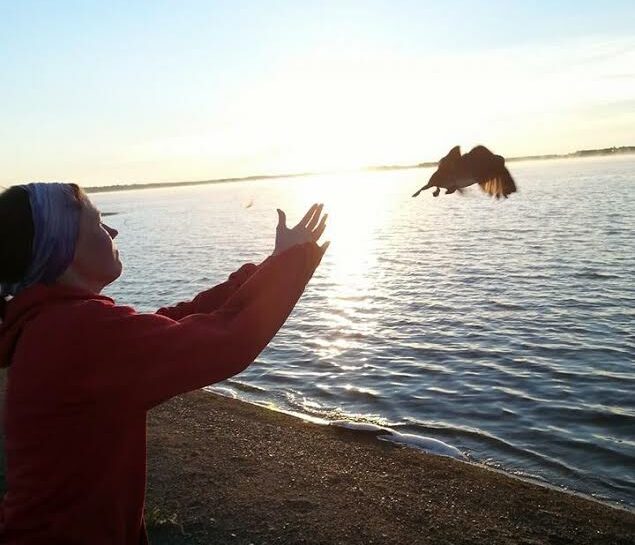
As a whole, the Ottertail crew is not a morning crew. Every morning, without fail, we eat granola and bagels, because nobody will ever wake up to make hot breakfast. “Mrrmph” and “aaahm” are typical morning greetings. You can imagine the crew’s reaction when I announced our project hosts’ plan for duck banding of meeting up at 6 a.m. the following morning, a full hour earlier than usual, and head for the hills. Read More
A battle in the war against biological warfare
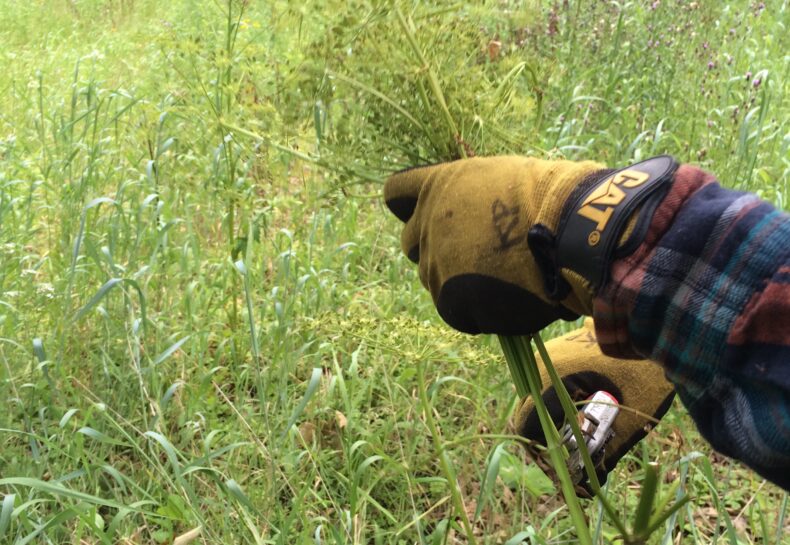
Have you ever heard anyone say to just “let nature take its course?” Whoever first said it probably wasn’t speaking literally, nor did they understand the ecological implications of an invasive species on a native species. The infamous buckthorn, for instance, is just the tip of the iceberg in terms of invasive species. Many more continue to prosper and take over the land. Some of these invasive species, much like native species such as poison ivy, have certain defenses that are unfriendly towards humans. In the last few months I’ve had to learn how to identify poison ivy and other noxious weeds. In fact, for more than two weeks we spent our days armpit-deep battling against wild parsnip, which is an invasive weed that is quite hazardous to humans although its taproot is, in fact, edible. So what’s bad about wild parsnip? Read More
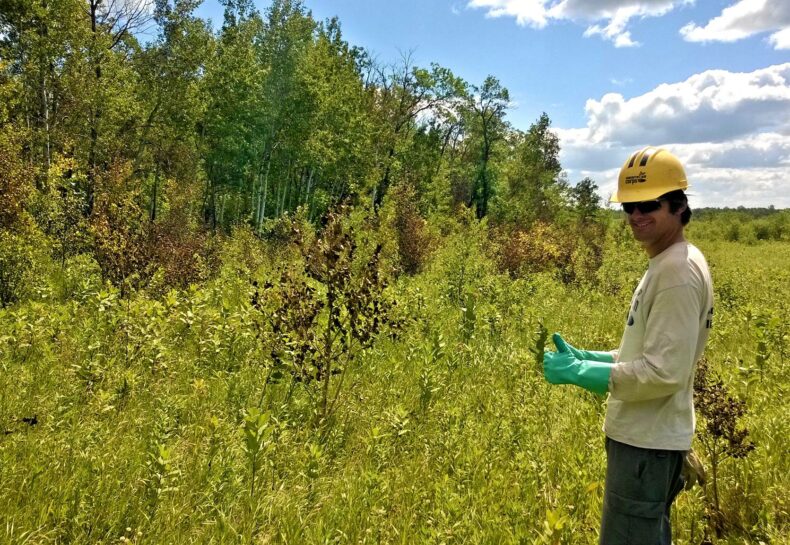
Bemidji crew works Agassiz National Wildlife Refuge
The sun rose quickly through a clear sky, burning off all the dew that settled earlier in the morning. We were walking through a wooden trail, following our project host in the Agassiz National Wildlife Refuge to look at the work site, when the woods suddenly opened up to a prairie like a sea of grass spreading outward, the horizon only broken here and there miles in the distance by aspen and oak forests. Our job was to help create an oak savannah landscape by painting herbicide onto the aspen trees in one section of the land. We became familiar with the location, ate lunch, and began painting trees that afternoon. Read More